

By Eng. Vaughn I. Lezama, B.Sc., FAPETT, M.ASCE, R.Eng.
Registrar, Board of Engineering of Trinidad and Tobago (BOETT)
CEO and Principal Engineer, Consulting Engineers Associates 2005 Ltd (CEAL)
In today’s rapidly evolving world, buildings and infrastructure form the backbone of our societies. Schools, hospitals, government offices, bridges, roads, and utilities are essential to community life and economic activity. Yet, aging infrastructure, climate change, and limited resources threaten their resilience and reliability.
Asset management offers a structured approach to these challenges, ensuring that infrastructure remains safe, functional, and resilient for generations. This article examines the current deterioration of much of Trinidad and Tobago’s public infrastructure and outlines how asset management can bridge the gap between neglect and resilience.
The Current State of Affairs
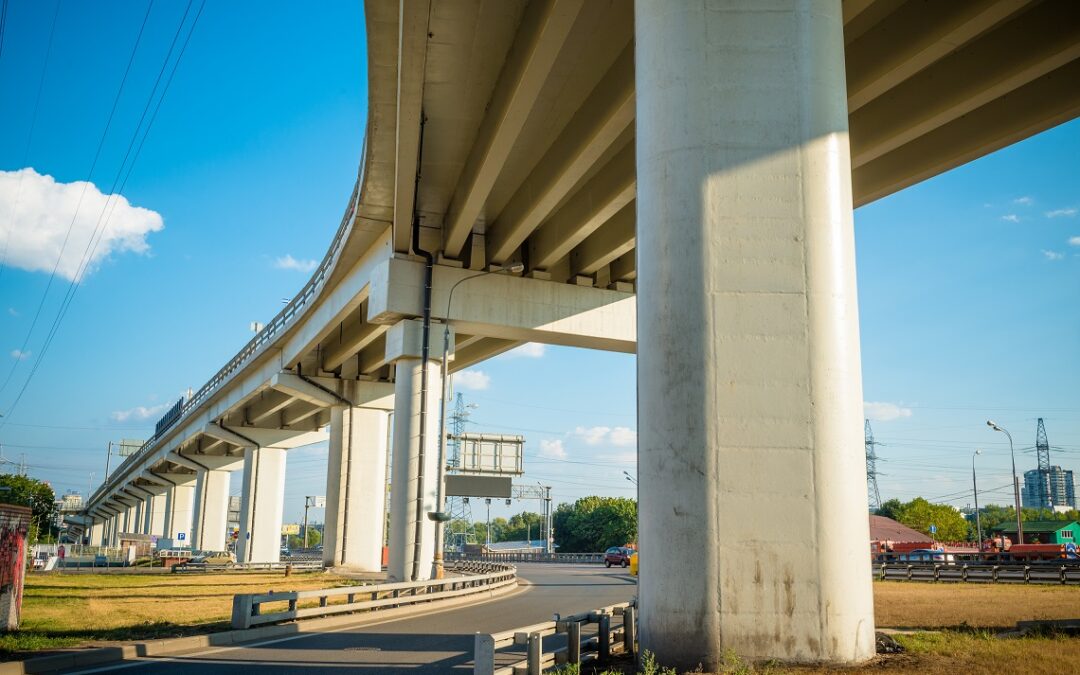
The extent of visible decay in Trinidad and Tobago’s public infrastructure is cause for serious concern. Along the nation’s highways, damaged guard rails, fractured median barriers, and bridge piers in disrepair reflect prolonged neglect. Pedestrian overpasses, once meant to enhance safety, now pose risks to those they were built to protect. Critical signage and safety installations stand inoperative or derelict.
The capital city and major towns reveal similar patterns. Sidewalks and streets show long-overdue maintenance needs, with basic cleaning and repair largely absent. Public buildings present an equally troubling picture—structures intended to serve the public instead stand as stark reminders of neglect. Collectively, these conditions signal a gap not only in upkeep but in the absence of systematic asset management practices.
Understanding Asset Management
Asset management is the coordinated activity of planning, operating, maintaining, and ultimately replacing assets to maximize their value and service life. In the public sector, its objectives include:
- Prolonging Asset Lifespans through preventive maintenance.
- Enhancing Resilience to natural disasters, climate change, and wear.
- Optimizing Costs across the full lifecycle of assets.
- Ensuring Public Safety and Functionality through reliability and compliance.
By integrating these objectives, asset management provides a framework that shifts infrastructure stewardship from reactive repairs to proactive resilience.
Challenges to Resilient Infrastructure
Several challenges underscore the urgency of adopting robust asset management in Trinidad and Tobago:
- Aging Infrastructure – Many public facilities have exceeded their design life, escalating costs and risks.
- Climate Change – Rising seas, storms, and temperature extremes test infrastructure not designed for such stresses.
- Budgetary Constraints – Limited resources often defer essential maintenance, worsening degradation.
- Urbanization – Growing populations demand more adaptive and robust infrastructure systems.
- Technological Gaps – Many institutions lack access to modern asset management tools and expertise.
How Asset Management Builds Resilience
Effective asset management incorporates several core strategies:
- Comprehensive Asset Inventory – Establishing a database of assets, with details on age, condition, and use, enables better resource allocation and priority setting.
- Condition Assessment and Monitoring – Regular inspections, supported by drones, sensors, and Building Information Modeling (BIM), detect vulnerabilities before they escalate.
- Risk-Based Prioritization – Risk models help direct limited resources toward high-risk or high-value assets, particularly those exposed to natural disasters.
- Lifecycle Cost Analysis – Accounting for all costs across the asset’s lifespan ensures smarter investment decisions.
- Integration of Resilient Design – Retrofitting and incorporating features such as flood-proofing and energy efficiency strengthen long-term performance.
- Proactive Maintenance – Shifting from reactive to predictive maintenance reduces downtime and prevents costly failures.
- Stakeholder Engagement – Involving engineers, policymakers, and communities ensures strategies are practical and aligned with public needs.
Lessons from Global Practice
Several international models demonstrate the effectiveness of asset management:
- Japan has reduced seismic risks through systematic inspections, retrofits, and upgrades to public buildings and infrastructure.
- The Netherlands applies advanced asset management to flood defenses, integrating real-time monitoring and predictive maintenance into dikes and surge barriers.
- Florida has invested in retrofitting schools and emergency facilities against hurricanes, making resilience central to public safety.
These examples show that proactive planning and investment pay dividends in safety, cost savings, and service continuity.
The Way Forward for Trinidad and Tobago
For Trinidad and Tobago, strengthening asset management is not optional—it is essential. The following strategies can help bridge the gap:
- Policy Development – Legislate regular asset assessments and embed resilience planning into national development policies.
- Capacity Building – Train engineers, public officials, and contractors in asset management best practices, supported by international technical partnerships.
- Technology Integration – Leverage GIS mapping, IoT sensors, predictive analytics, and BIM to enhance asset planning and monitoring.
- Public-Private Partnerships (PPPs) – Harness private sector expertise and investment to supplement public sector capacity.
- Community Engagement – Encourage public reporting on infrastructure conditions and build awareness of the importance of resilience.
Conclusion
Asset management provides the frameworks and tools to assess conditions, prioritize resources, and plan strategically for the future. By embedding these practices into policy, budgeting, and operations, Trinidad and Tobago can close the gap between deterioration and resilience. In doing so, we safeguard not only the physical structures that support our daily lives but also the social and economic systems that depend on them.
A resilient built environment is not merely a technical goal—it is a national imperative, and one that will determine the quality of life and security of future generations.