

By Eng. Vaughn I. Lezama, B.Sc., FAPETT, M.ASCE, R.Eng.
Registrar, Board of Engineering of Trinidad and Tobago (BOETT)
CEO and Principal Engineer, Consulting Engineers Associates 2005 Ltd (CEAL)
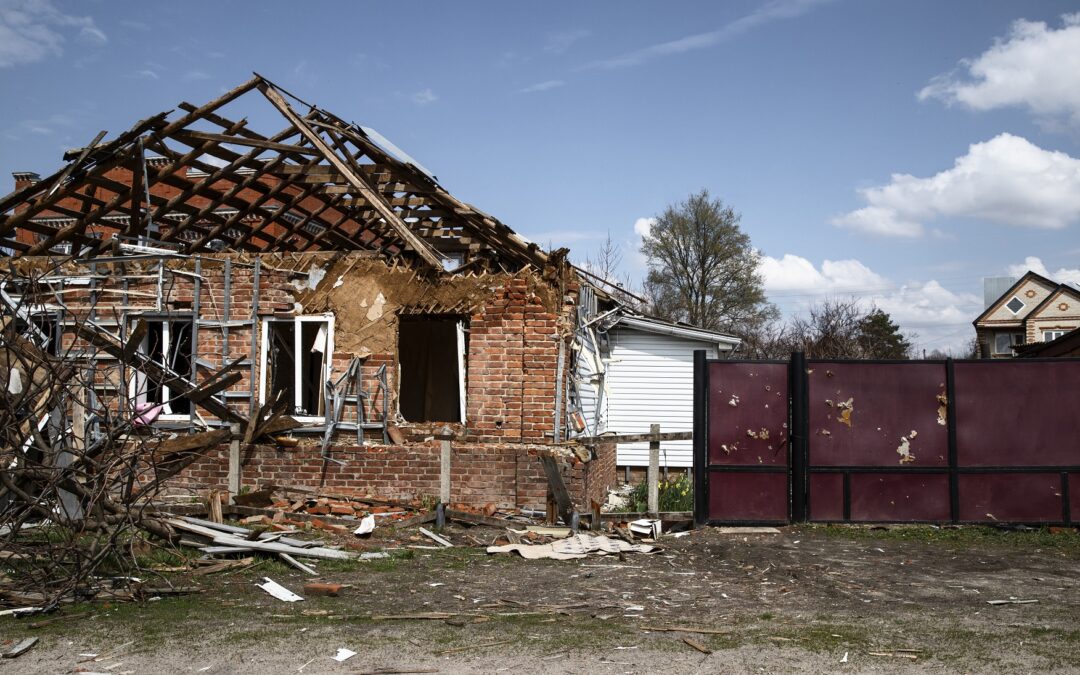
Trinidad and Tobago is no stranger to nature’s fury. Over the past decade, the country has faced increasingly severe weather events—torrential rains, flash flooding, and powerful windstorms that sweep across communities leaving trails of destruction. What is particularly alarming, however, is that many of these roof-related disasters occur even during moderate wind events, far below the strength of a hurricane or tropical storm. Time and again, images circulate of houses stripped bare—entire roofs torn off, rafters and all—revealing a crisis that is both widespread and entirely preventable.
An Avoidable Failure
When a roof is blown away, the loss is not limited to metal sheeting. In countless cases, the entire roof structure—framing, rafters, purlins, and sheeting intact—is lifted clean off the walls and thrown aside. This kind of catastrophic failure is not a mystery. It points to a single, recurring flaw: inadequate anchorage between the roof framing system and the supporting wall plate or reinforced concrete (RC) ring beam. Sometimes, shockingly, the wall plate or ring beam is missing altogether.
Proper anchorage serves as the critical link between a home’s superstructure (the roof) and its foundation. Without it, even a gusty day can generate uplift forces that separate the roof from the walls. If roofs were properly designed and anchored, strong winds would only dislodge individual sheets—a repairable inconvenience. But when entire roofs take flight, homeowners face crippling financial losses. While replacing a few sheets might cost a few thousand dollars, reconstructing a full roof system can be very costly—a devastating blow for working families.
A Costly and Repetitive Cycle
A weather event a few years ago saw hundreds of homes across the country lose their roofs in a single weekend. More recently, a number of houses in north-western Trinidad lost their roofs as a result of what can be described as rare, but moderately intense tornado winds. The scenes of destruction were eerily familiar: entire roofs blown off, plywood ceilings dangling, furniture ruined by rain, and families displaced. Yet, in the rush to rebuild, the same mistakes are often repeated. The roof is quickly replaced—without proper anchorage, without trained oversight, and without adherence to standards—leaving the same structural weakness in place. The next windstorm then repeats the cycle of loss, repair, and loss again.
This pattern reveals a dangerous complacency. Climate change is already bringing more intense rainfall and unpredictable wind events to our region. The question is no longer if another storm will test our roofs, but when—and how prepared we will be when it happens.
The Weak Link: Informal Construction
The greatest vulnerability lies within our informal housing sector, which represents a significant portion of the national building stock. Many homes are constructed by small-scale contractors, tradesmen, or even homeowners themselves—people who may be skilled in general construction but lack formal training in structural design principles. These projects often bypass municipal approval processes or are carried out without professional oversight.
In too many cases, what guides these builders is not engineering judgment but “experience”—often passed down informally, and too often based on repetition of poor practices. Nails are substituted for bolts, hurricane straps are omitted, and roof frames are attached to unreinforced blockwork instead of properly tied ring beams. The result is a silent epidemic of unsafe roofs waiting to fail under stress.
Regulation Without Reach
It is important to recognize that Trinidad and Tobago already has the technical tools to address this crisis. The Trinidad and Tobago Bureau of Standards (TTBS) published TTS 599:2006 – Guide to the Design and Construction of Small Buildings, a document that clearly outlines safe and economical methods for constructing walls, foundations, floors, and roofs. However, its impact has been limited, largely because it remains unknown, unused, or inaccessible to the very people who need it most.
In addition, local building authorities often lack the manpower to inspect small residential projects, especially in rural or informal areas. The result is a regulatory vacuum—standards exist, but compliance is voluntary.
A Way Forward: Education, Enforcement, and Empowerment
The solution, fortunately, is not a mystery. We must bridge the gap between formal standards and everyday building practice through targeted education and practical outreach.
- Public Awareness and Education
Builders, tradesmen, and homeowners must be made aware of the basic principles of wind-resistant roof design. An effective way to start is through a highly visual and easy-to-understand booklet focused specifically on Wind-Resistant Roof Construction for Residential Buildings. This publication should move beyond traditional timber-only examples and address modern systems using steel joist rafters and Z-purlin framing, which now dominate residential construction. - Institutional Collaboration
The initiative should be a joint effort among the Office of Disaster Preparedness and Management (ODPM), TTBS, and the Association of Professional Engineers of Trinidad and Tobago (APETT), supported by practicing structural engineers to ensure both technical accuracy and accessibility. - Community-Level Distribution
Information must reach builders where they live and work. Booklets and posters should be distributed through regional corporations, fire services, local hardware stores, and community development offices. Public service announcements, short training videos, and social media campaigns can also make a significant impact, especially among younger tradesmen. Such campaigns can be facilitated through the Government Information Services Limited (GISL) which has access to a wide range of media platforms. - Professional Oversight and Enforcement
Government ministries and municipal corporations must insist that all housing projects comply with the minimum requirements for roof anchorage and construction detailing. Similarly, mortgage institutions could help by requiring proof of structural compliance before final disbursement of housing loans. - Training and Certification
Small contractors and tradesmen should be encouraged to undergo basic certification programmes in safe building practices. A tiered training and recognition system could give them an incentive—both professional and financial—to adopt higher standards.
Building Resilience Through Better Construction
Every time a roof fails, it exposes not only structural weakness but also social vulnerability. Families lose shelter, belongings, and peace of mind. Children’s education is disrupted, and entire communities face economic strain. These are not just engineering failures—they are failures of national resilience.
True disaster preparedness begins not with emergency shelters or relief funds but with stronger homes. A roof properly tied down is a family protected. By prioritizing public education, enforcing existing standards, and fostering a culture of responsible construction, Trinidad and Tobago can break free from the costly cycle of rebuilding after every storm.
The time to act is now. Weak roofs are not acts of nature—they’re failures of construction. It’s time for Trinidad and Tobago to build smarter. With climate change ensuring that high-wind events will become more frequent and more severe, we can no longer afford to build—and rebuild—on a foundation of weak practices. Investing in resilient roof construction today will pay dividends in safety, savings, and national stability tomorrow.